Omo Valley Tribes: Culture, Travel & Tips (In-Depth)
The Omo Valley, located in southern Ethiopia, is one of the most culturally diverse and anthropologically significant regions in the world. Home to more than a dozen indigenous tribes, this area offers a rare opportunity to witness traditions, rituals, and lifestyles that have remained largely unchanged for centuries.
This is not a typical tourist destination it’s raw, remote, and deeply human.
Major Tribes You Can Visit
Hamar Tribe
The Hamar are one of the most accessible and well-known tribes in the Omo Valley. They are famous for the bull-jumping ceremony, a rite of passage for young men entering adulthood.
- Women wear layered beads and have distinctive hairstyles coated with butter and ochre
- Ceremonies include dancing, singing, and symbolic acts of strength
- Family and community play a central role in every ritual
Mursi Tribe
The Mursi are internationally recognized for the lip plates worn by women.
- Lip plates symbolize beauty, identity, and social status
- The tribe lives in remote areas, making visits more logistically challenging
- Their culture is one of the most photographed but also one of the most misunderstood
Karo Tribe
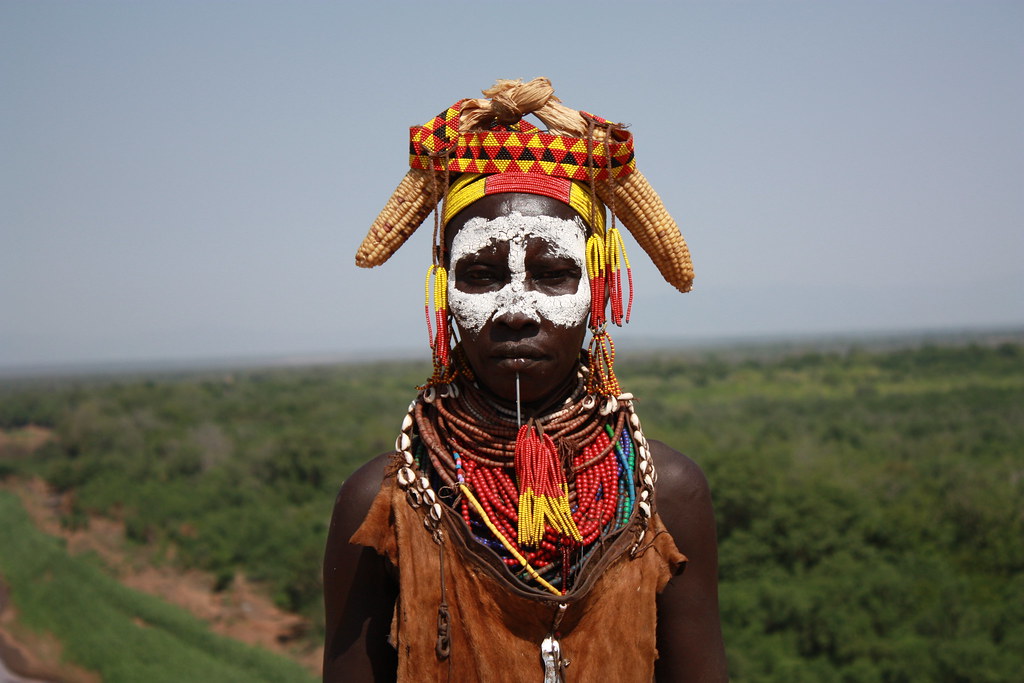
The Karo are known for their intricate body painting, created using natural pigments like chalk and charcoal.
- Body art is used for ceremonies, beauty, and expression
- They live along the Omo River, relying on fishing and small-scale farming
- Their villages are smaller, offering a more intimate cultural experience
Dassanech & Nyangatom Tribes
Less visited but equally fascinating:
- The Dassanech live near Lake Turkana and adapt to harsh, dry conditions
- The Nyangatom are semi-nomadic pastoralists with strong warrior traditions
What Makes the Omo Valley Unique
Unlike staged cultural attractions, the Omo Valley is real life. You are stepping into active communities, not performances.
- Traditions are still practiced daily
- Clothing, rituals, and social structures are authentic
- Cultural identity is deeply preserved despite modern pressures
This is what makes it powerful—but also why you need to approach it with respect.
Best Time to Visit
- October to March (Dry Season) – Best for travel; roads are accessible
- April to September (Rainy Season) – More difficult due to mud and flooding
If you want reliable access and smoother logistics, stick to the dry season.
How to Travel the Omo Valley
Let’s be direct you don’t just “go” to the Omo Valley casually.
- Travel is usually done via 4×4 vehicles
- Roads can be rough and remote
- Trips typically last 3 to 7 days
Starting points are usually Arba Minch or Jinka.
Important Travel Tips (Don’t Skip This)
1. Go With a Local Guide
Not optional. A good guide:
- Translates language and cultural context
- Helps you navigate permissions
- Prevents misunderstandings
2. Respect Comes First
This is where most tourists mess up.
- Ask before taking photos
- Follow local customs
- Don’t treat people like “attractions”
3. Be Ready to Pay for Photo
In many villages:
- Photography is a source of income
- Fees are expected and normal
Handle it respectfully, not like bargaining at a market.
4. Prepare for Basic Conditions
Long travel hours
Limited electricity and internet
Simple accommodations